How Aluminum Casting Company utilizes 3D printing for rapid prototyping
Wiki Article
How Aluminum Foundry Innovations Are Changing Aerospace, Automotive, and Tech Manufacturing
Aluminum foundry innovations are improving key production fields, specifically aerospace, auto, and technology. Advanced casting methods and brand-new alloy formulations boost efficiency while advertising sustainability. These advancements assure lighter, more resilient components that satisfy industry demands. The full impact of these innovations is still unfolding. What certain changes are resulting in this change, and exactly how might they redefine future manufacturing practices?The Increase of Aluminum in Aerospace Manufacturing
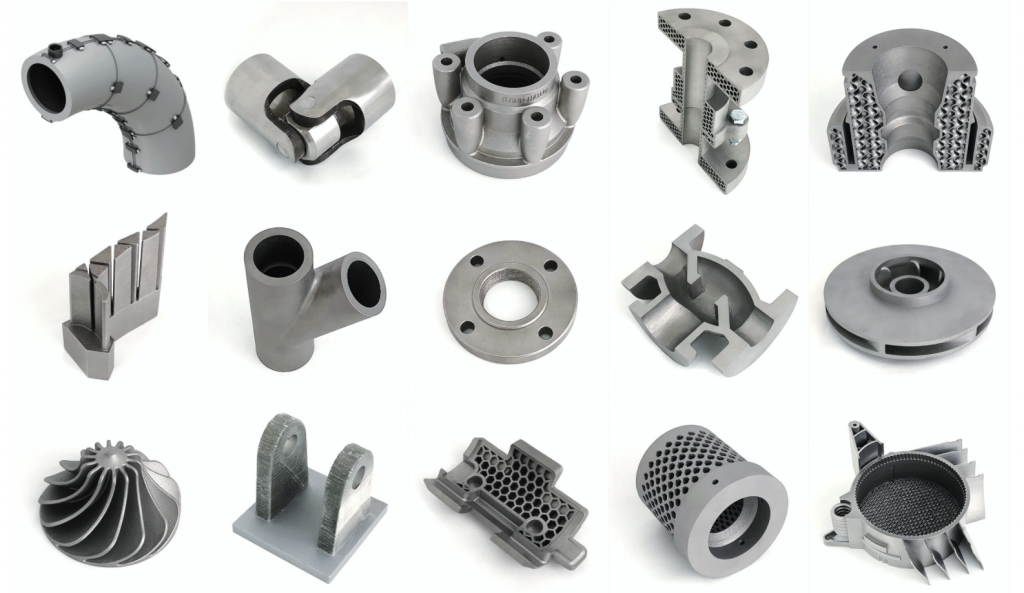
The market's shift towards aluminum shows a more comprehensive pattern of focusing on sustainable practices and cost-effectiveness. Significant aircraft manufacturers have significantly embraced aluminum alloys, which combine toughness and ductility, making them ideal for important architectural components. The recyclability of aluminum aligns with environmental efforts, making it a favored choice for contemporary aircraft. Generally, aluminum's unique characteristics and advantages solidify its position as a keystone in the future of aerospace production.
Innovations in Aluminum Casting Techniques
While standard techniques of aluminum casting have actually offered the sector for years, recent innovations have reinvented the means aluminum components are generated. Developments such as high-pressure die casting and 3D printing have actually boosted precision and minimized manufacturing times. High-pressure die casting permits thinner walls and more complicated geometries, facilitating the creation of light-weight parts without jeopardizing stamina. At the same time, 3D printing innovation makes it possible for rapid prototyping, enabling makers to check designs much more successfully and adjust to changing needs. Additionally, innovations in alloy formulations have led to improved mechanical residential properties, allowing the manufacturing of elements that satisfy strenuous aerospace and auto standards. These methods not only boost efficiency however also minimize waste, supporting sustainable production techniques. As these developments remain to progress, they assure to better improve the capabilities of aluminum casting, placing it as a critical player in modern production across various markets.Light-weight Solutions for Automotive Performance
The search of lightweight services has ended up being a focal point in automobile efficiency, driven by the need for enhanced gas efficiency and minimized discharges. Automakers are significantly turning to aluminum as a main material in lorry design, taking advantage of its desirable strength-to-weight proportion. Advancements in aluminum foundry processes have actually allowed the manufacturing of parts that are not just lighter but likewise more durable.Progressed casting methods allow makers to develop intricate forms that optimize architectural honesty while minimizing weight. Furthermore, the assimilation of aluminum in critical areas, such as engine components and framework, substantially influences general lorry characteristics and dealing with.
As suppliers strive to satisfy regulatory criteria and customer assumptions, the change in the direction of light-weight products proceeds to gain momentum. This fad not only enhances automobile efficiency yet also placements aluminum as a principal in the development of the automotive industry, leading the way for more nimble and efficient cars.
Sustainability and Environmental Effect of Aluminum
The sustainability of aluminum production is increasingly identified for its substantial recycling advantages and lowered carbon footprint. By using recycled aluminum, shops can decrease energy consumption and greenhouse gas exhausts. This approach not just supports ecological goals however likewise boosts economic efficiency in the production procedure.
Recycling Aluminum Perks
Many markets recognize the considerable advantages of recycling aluminum, specifically relating to sustainability and ecological influence. Recycling aluminum needs only 5% of the energy needed to generate brand-new aluminum from basic materials, considerably reducing energy usage. Aluminum Casting Company. This procedure also lowers greenhouse gas exhausts, adding to a much healthier atmosphere. Furthermore, reusing aluminum draws away waste from land fills, advertising efficient resource management. The lightweight nature of aluminum enhances gas performance in transportation, additional showing its ecological benefits. Furthermore, recycled aluminum maintains its high quality, making it a functional choice for various applications across aerospace, automobile, and modern technology markets. Eventually, the recycling of aluminum not just saves resources but additionally supports a round economic situation, cultivating lasting practices within manufacturing industriesLowering Carbon Footprint
While sectors increasingly focus on sustainability, minimizing the carbon impact connected with aluminum production has ended up being an essential focus. Recent developments in aluminum foundry modern technology aim to reduce discharges throughout the manufacturing procedure. Utilizing sustainable power sources, such as solar and wind, considerably decreases greenhouse gas exhausts contrasted to traditional fossil fuel-based methods. Additionally, innovations in recycling techniques enhance the effectiveness of redeeming aluminum, additional reducing the need for key manufacturing and its connected ecological influence. Implementing closed-loop systems in shops permits the reuse of materials, resulting in reduced power intake. As producers throughout industries embrace these technologies, the aluminum industry is placing itself as a leader in lasting techniques, adding to global initiatives to battle climate change.Advancements in Aluminum Alloys and Products
Recent improvements in aluminum alloys have concentrated on developing light-weight products that improve performance without endangering toughness. Developments in alloy structures are additionally improving corrosion resistance, making aluminum extra resilient in numerous applications. These innovations are transforming the manufacturing landscape, permitting for much more efficient and lasting manufacturing approaches.Lightweight Alloy Advancements
As markets proceed to look for products that improve performance while decreasing weight, innovations in lightweight aluminum alloys are acquiring considerable attention. These advanced alloys feature optimized compositions that improve strength-to-weight ratios, allowing for a lot more effective styles in aerospace, automotive, and modern technology markets. Researchers are establishing aluminum-lithium and aluminum-magnesium alloys, which offer boosted mechanical residential or commercial properties while keeping reduced density. Such developments assist in the manufacturing of parts that contribute to power effectiveness and reduced discharges. In addition, the consolidation of nanomaterials and progressed processing methods is further pushing the limits of what light-weight aluminum alloys can accomplish. In general, these advancements stand for a vital action towards satisfying the demands for sustainable manufacturing techniques without jeopardizing efficiency.Boosted Rust Resistance
Cutting-edge approaches to enhancing corrosion resistance in aluminum alloys are transforming their applicability throughout numerous fields. Current developments include Bonuses the development of new alloy compositions and surface area therapies that considerably boost durability versus ecological variables. As an example, the consolidation of elements such as magnesium and lithium has actually yielded alloys that display premium resistance to both matching and tension rust fracturing. Additionally, coverings and anodizing procedures are being improved to give an added layer of defense, making certain durability in extreme conditions. This concentrate on corrosion resistance not only boosts the performance of aluminum parts yet additionally decreases maintenance costs, making them extra attractive top article for sectors such as aerospace, vehicle, and technology. These technologies promise to expand the range of aluminum applications in requiring environments.Situation Researches: Success Stories in Tech Manufacturing
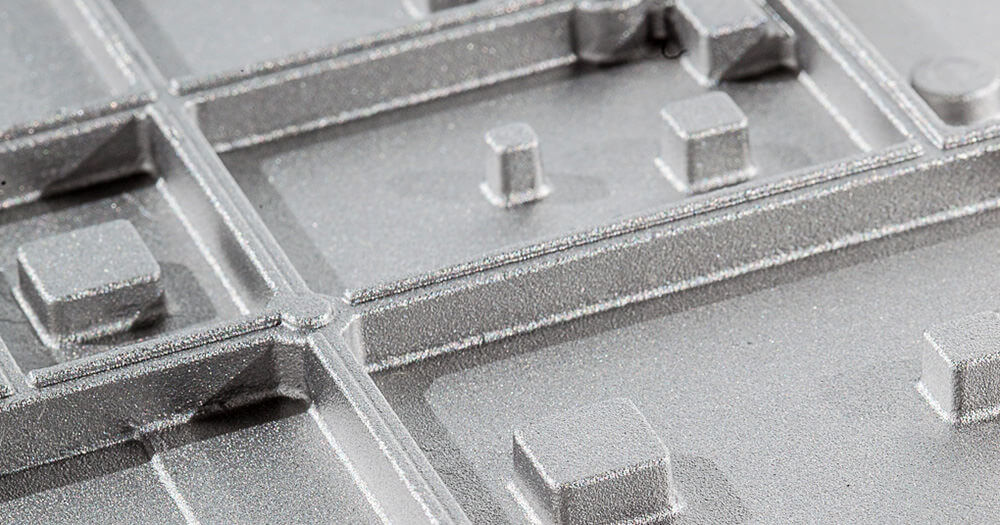
Another situation study involves a start-up focusing on drone innovation. By making use of aluminum die casting techniques, the business attained fast manufacturing cycles and minimized waste, substantially decreasing their functional prices. This development enabled them to contend successfully in a hectic market.
Furthermore, a major hardware maker applied aluminum extrusions for warmth sinks, maximizing cooling efficiency while reducing weight. These success stories highlight just how aluminum foundry innovations are driving performance, sustainability, and competition in the technology industry, leading the way for more advancements in making processes.
The Future of Aluminum Foundry Technologies
The improvements in aluminum foundry innovations are positioned to shape the future of making across different sectors. Technologies such as computerized casting processes, progressed alloy structures, and improved reusing methods are blazing a trail. These innovations use improved effectiveness, minimized waste, and superior product quality, dealing with the growing need for sustainable manufacturing methods.Arising techniques, such as 3D printing and expert system, are additionally being incorporated right into foundry procedures, maximizing layout and production workflows. Making use of anticipating analytics enables producers to expect upkeep needs, lessening downtime and associated costs.
As industries significantly prioritize light-weight materials for improved performance and energy effectiveness, aluminum continues to be a principal. The synergy between conventional approaches and cutting-edge modern technologies will likely drive the advancement of aluminum factories, positioning them as vital factors to the aerospace, vehicle, and technology fields in the years to find.
Regularly Asked Concerns
What Are the Prices Related To Aluminum Foundry Innovations?
The costs related to aluminum foundry innovations include initial investment in sophisticated innovations, ongoing maintenance costs, workforce training, and possible rises in resources costs, impacting overall production budget plans and profitability in different producing markets.Just How Does Aluminum Contrast to Other Steels in Production?
Aluminum provides benefits like lightweight properties, deterioration resistance, and excellent machinability compared to various other steels, such as steel or titanium. These attributes make it increasingly preferred in different manufacturing industries, improving performance and performance in production procedures.What Industries Are Taking On Aluminum Foundry Technologies?
The aerospace, auto, and innovation industries are increasingly taking on aluminum foundry technologies, driven by the product's light-weight residential or commercial properties, deterioration resistance, and cost-effectiveness, enabling boosted performance and efficiency in manufacturing processes throughout these fields.Are There Specific Accreditations for Aluminum Used in Aerospace?
Yes, there are certain accreditations for aluminum used in aerospace, consisting of AS9100 and AMS requirements. These requirements guarantee security, dependability, and quality, important for aerospace applications, and are extensively recognized within the industry.Just How Is Aluminum Recycling Contributing to Manufacturing Advancements?
Aluminum reusing significantly enhances manufacturing developments by lowering energy intake, decreasing expenses, and decreasing environmental effect. This lasting method promotes my link advancement in products and procedures, making certain a round economic situation valuable for various industries, including aerospace and automotive.
As the aerospace market seeks to improve efficiency and fuel performance, aluminum has emerged as an important material in aircraft production. While standard techniques of aluminum casting have actually offered the market for years, current developments have actually revolutionized the way aluminum parts are produced. Reusing aluminum needs just 5% of the power needed to create new aluminum from raw materials, substantially decreasing energy usage. As industries proceed to look for materials that enhance efficiency while minimizing weight, technologies in lightweight aluminum alloys are obtaining considerable attention. Aluminum recycling considerably improves manufacturing developments by lowering energy intake, lowering expenses, and decreasing ecological influence.
Report this wiki page